One Wallet to Lose, One Wallet to Keep: Building the Two-Stack System Every US Crypto Bettor Should Run
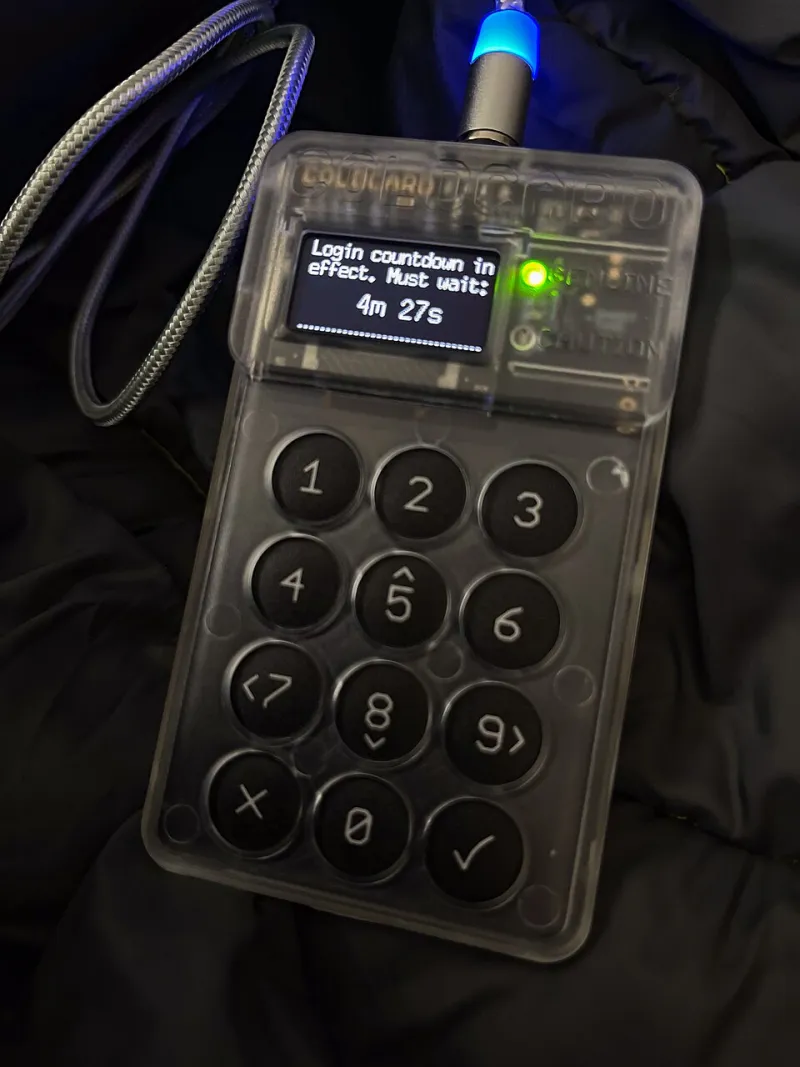
Photo: Tony Webster, CC BY 2.0, via Wikimedia Commons
Ask any seasoned bettor what sank their bankroll, and the story rarely starts with a bad beat. It starts with a wallet that had too much in it.
When your long-term Bitcoin sits in the same wallet as your Saturday parlays, the line between "this weekend's entertainment budget" and "the down payment fund" gets dangerously blurry. One cold streak, one revenge deposit, and suddenly you're betting money you swore you'd never touch.
The fix isn't more discipline in the moment — it's architecture. Serious US bettors run what we'll call the two-stack system: one isolated wallet that exists purely for gambling, and everything else kept safely out of reach. Here's how to build one that actually holds up when the games get ugly.
Why Compartmentalization Beats Willpower
Behavioral economists have known for decades that people treat "mental accounts" differently — money earmarked for fun gets spent like fun money. Crypto makes this instinct stronger, because moving funds between wallets is fast, frictionless, and available at 2 a.m. when your judgment is at its worst.
A dedicated gambling wallet weaponizes that same psychology in your favor. If your betting stack holds $300 in USDT and nothing else, the worst possible outcome of a brutal Sunday is... you're out $300. Your long-term holdings never entered the arena. Tilt-driven deposits require a deliberate, sober transfer process instead of a two-tap impulse.
Think of it like a casino giving you chips instead of letting you bet straight from your bank account. The chip tray is the budget. The two-stack system is the same idea, applied to your own money.
Step One: Spin Up a Dedicated Wallet
Start fresh. Don't reuse an existing wallet or just make a new account on an exchange — create a standalone wallet whose only job is feeding your sportsbook.
For most US bettors, a reputable mobile wallet (think Trust Wallet, Exodus, or a similar non-custodial option) is the right tool. It needs to be convenient enough for deposits but not so convenient that moving funds out of cold storage feels trivial.
Generate a brand-new seed phrase for this wallet — never recycled from anything else. Write it down, store it somewhere separate from your main wallet's backup, and label it honestly. If anyone ever finds a seed phrase marked "betting wallet," it should contain nothing worth stealing.
Step Two: Fund It With Rules, Not Vibes
The gambling stack only works if top-ups follow a protocol. Borrow from how Vegas locals manage their play:
- Set a fixed reload schedule. Once a month, once a payday — whatever fits your cash flow. No mid-cycle emergency refills, period.
- Cap the stack. Decide a maximum balance (say, $500) and treat anything above it as profit to sweep out. Winnings that stay in the betting wallet have a way of becoming losses.
- Make transfers deliberate. If your main holdings live in cold storage, require yourself to physically retrieve the hardware wallet, plug it in, and sign the transfer. That five-minute friction is a feature, not a bug.
- Use stablecoins for the stack. Funding with USDT or USDC means a Bitcoin dip can't secretly inflate or deflate your betting budget. You always know exactly what you're playing with.
Step Three: Keep the Cold Stack Genuinely Cold
The other half of the system is your long-term holdings — and they need to be annoying to access.
A hardware wallet (Ledger, Trezor, or similar) holding the bulk of your crypto should live somewhere that requires effort to reach. Not a safe deposit box necessarily, but not your pocket either. The goal: accessing it for a gambling top-up should feel like a decision, because it is one.
A useful test: if you can move money from your long-term stack to your sportsbook in under sixty seconds, your architecture has failed. Add friction until that transfer takes real intention.
The Bonus Nobody Mentions: Tax Season
Here's where the two-stack system quietly pays for itself. The IRS treats every crypto transaction — including using crypto to wager — as a potentially taxable event. When betting funds are commingled with long-term holdings, reconstructing your cost basis and transaction history in April becomes an archaeological dig.
A dedicated gambling wallet gives you a clean, self-contained ledger. Every deposit, wager, and withdrawal lives in one exportable history, separate from your HODL portfolio. Your tax preparer (or your crypto tax software) will thank you, and accurate reporting becomes a five-minute job instead of a weekend project.
When the System Gets Tested
The two-stack system earns its keep on the bad days. You've dropped the stack on a brutal college football Saturday, the impulse to "win it back" hits, and your hand reaches for your phone — but the money isn't there. Refilling means waiting for the next scheduled reload, or making a conscious decision to break your own rules.
That pause is the entire product. Most catastrophic bankroll losses aren't one big bet; they're a chain of escalating deposits that each felt small in the moment. Compartmentalization breaks the chain.
And on the good days? Sweep profits out on a schedule too. Money that leaves the betting wallet and lands in cold storage stops being gamble money and starts being again. That's the whole point.
Build It Before You Need It
Set this up on a quiet Tuesday, not mid-tilt. New wallet, new seed phrase, written top-up rules, a cold stack that stays cold. Thirty minutes of setup buys you a permanent firewall between your entertainment budget and your financial future.
Bet smart. The house has edge enough — don't hand it your whole portfolio too.