Stablecoins or Altcoins at the Betting Table? A Real-Money Breakdown for US Players
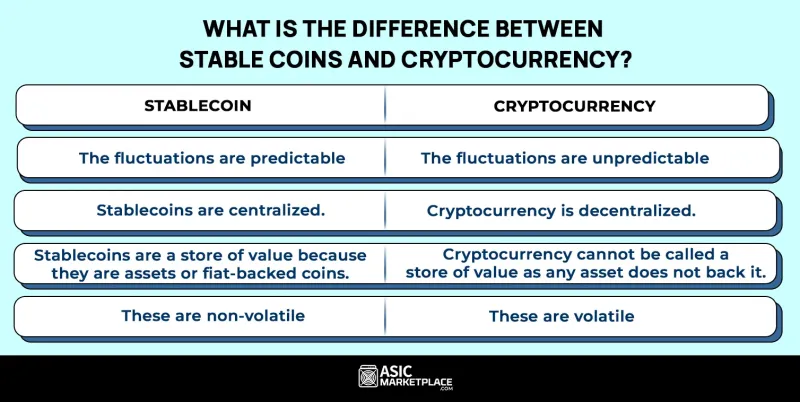
Photo: cryptocurrency coins comparison stablecoin versus altcoin financial decision, via asicmarketplace.com
It's Not Just About What You Win — It's About What It's Worth When You Cash Out
Most conversations about crypto betting focus on strategy: which games to play, how to manage your bankroll, when to walk away. But there's a foundational question that comes before all of that — one that a surprising number of players don't think through carefully enough.
What currency are you actually betting with?
In the crypto world, that question carries a lot more weight than it does at a traditional sportsbook. If you deposit $500 at a regular casino, you've got $500 in play. But if you deposit the equivalent of $500 in Ethereum, your "$500" might be worth $620 by the time you cash out — or $380. The game you played is almost secondary at that point.
So let's actually work through this decision properly.
The Case for Stablecoins: Boring, But Predictable
Stablecoins — USDC, USDT (Tether), DAI, and a few others — are cryptocurrencies designed to maintain a 1:1 value with the US dollar. They live on blockchains, move fast, and carry low transaction fees. But they don't fluctuate like Bitcoin or Ethereum.
Why that's useful for betting:
When you wager with USDC, what you see is what you get. You deposit $200 worth of USDC, you bet $200, and if you win 20%, you walk away with $240 — full stop. There's no secondary variable messing with your returns.
This is genuinely valuable for a few types of players:
- Disciplined bankroll managers who want to track their gambling performance accurately without currency noise muddying the numbers
- Recreational bettors who aren't trying to speculate on crypto prices — they just want to bet on their team and know what they're working with
- Tax-conscious players (more on this shortly) who want to minimize the complexity of reporting gains
The downside: You're not going to get any upside from crypto appreciation. If Bitcoin doubles while your USDC sits in a betting wallet, you missed that move.
The Case for Volatile Altcoins: Higher Stakes, Higher Ceiling
Now let's talk about the other side — betting with assets like ETH, SOL, MATIC, or even smaller altcoins.
Here's a scenario that plays out more often than people realize:
Say you deposit 1 ETH when it's trading at $2,000. You bet conservatively, win a few, lose a few, and end up with 1.1 ETH. Feels like a modest 10% gain. But if ETH has climbed to $2,600 by the time you withdraw, your 1.1 ETH is now worth $2,860. You started with $2,000 and ended with $2,860 — a 43% return, even though your actual betting performance was only +10%.
That's the upside case. The math can work beautifully.
But run it the other direction: you deposit 1 ETH at $2,000, win a few hands, end up with 1.15 ETH — a solid 15% betting gain. Then ETH drops to $1,400 before you withdraw. Your 1.15 ETH is now worth $1,610. You won at the tables and still lost money in dollar terms.
This isn't a hypothetical edge case. Crypto volatility is real, and it cuts both ways.
Matching Currency Choice to Your Risk Profile
Here's a practical framework for thinking about this:
You should probably use stablecoins if:
- You're on a fixed entertainment budget and need predictability
- You're a sports bettor focused on making sharp picks — you want your edge to show up cleanly in the results
- You're newer to crypto and don't want to manage two layers of risk simultaneously
- You're playing during a period of high market uncertainty
Volatile altcoins might make sense if:
- You already hold ETH, SOL, or another coin long-term and you're comfortable with its price movements
- You see a betting session as one part of a broader crypto strategy
- You're in an accumulation phase — you want to increase your coin holdings, not convert to dollars
- You've got a higher risk tolerance and you're playing with money you can genuinely afford to see swing
One hybrid approach worth considering: use stablecoins for your core betting activity, but keep a small allocation in a volatile asset if you want some market exposure. Treat them as separate pools.
The Tax Angle Americans Can't Ignore
Here's where things get a little more complicated for US players, and it's worth being straight about it.
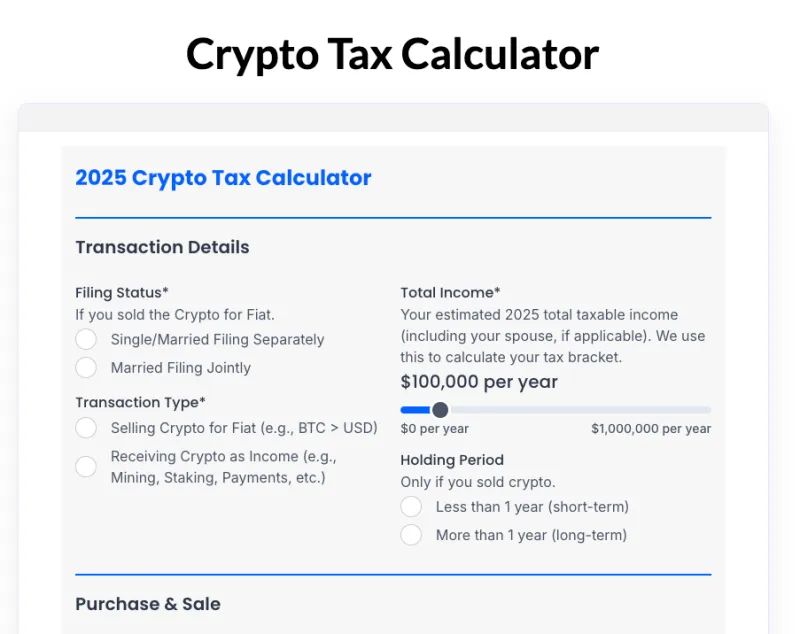
The IRS treats cryptocurrency as property. Every time you convert crypto to dollars (or use it to make a purchase — which technically includes placing a bet), you've created a taxable event if the asset has changed in value since you acquired it.
With stablecoins, this is relatively clean. If you bought USDC at $1 and it's worth $1 when you bet with it, there's no capital gain. Your gambling winnings are still reportable income, but you're not stacking a crypto gain on top of that.
With volatile altcoins, you potentially have two taxable layers: the gain or loss on the crypto itself (from the time you acquired it to the time you used it to bet), plus any gambling winnings. That's more paperwork, more complexity, and more reason to keep careful records.
If you're using a platform like MostBet AZ Crypto and withdrawing in crypto, make sure you're tracking the fair market value at the time of each transaction. Tools like Koinly or CoinTracker can help automate this — but the responsibility is on you to report accurately.
Bottom Line: Know What Game You're Actually Playing
When you choose your betting currency, you're making a decision that goes beyond the sportsbook or casino floor. You're deciding how much volatility you want in your overall picture, how cleanly you want to track your results, and how you want to handle tax season.
Neither stablecoins nor altcoins are universally "better." They're tools, and the right tool depends on what you're trying to accomplish. Take five minutes to think it through before your next deposit — it's one of the highest-leverage decisions you can make as a crypto bettor.